
Alginate Fiber Supplier Evaluation: A Buyer's Strategic Framework
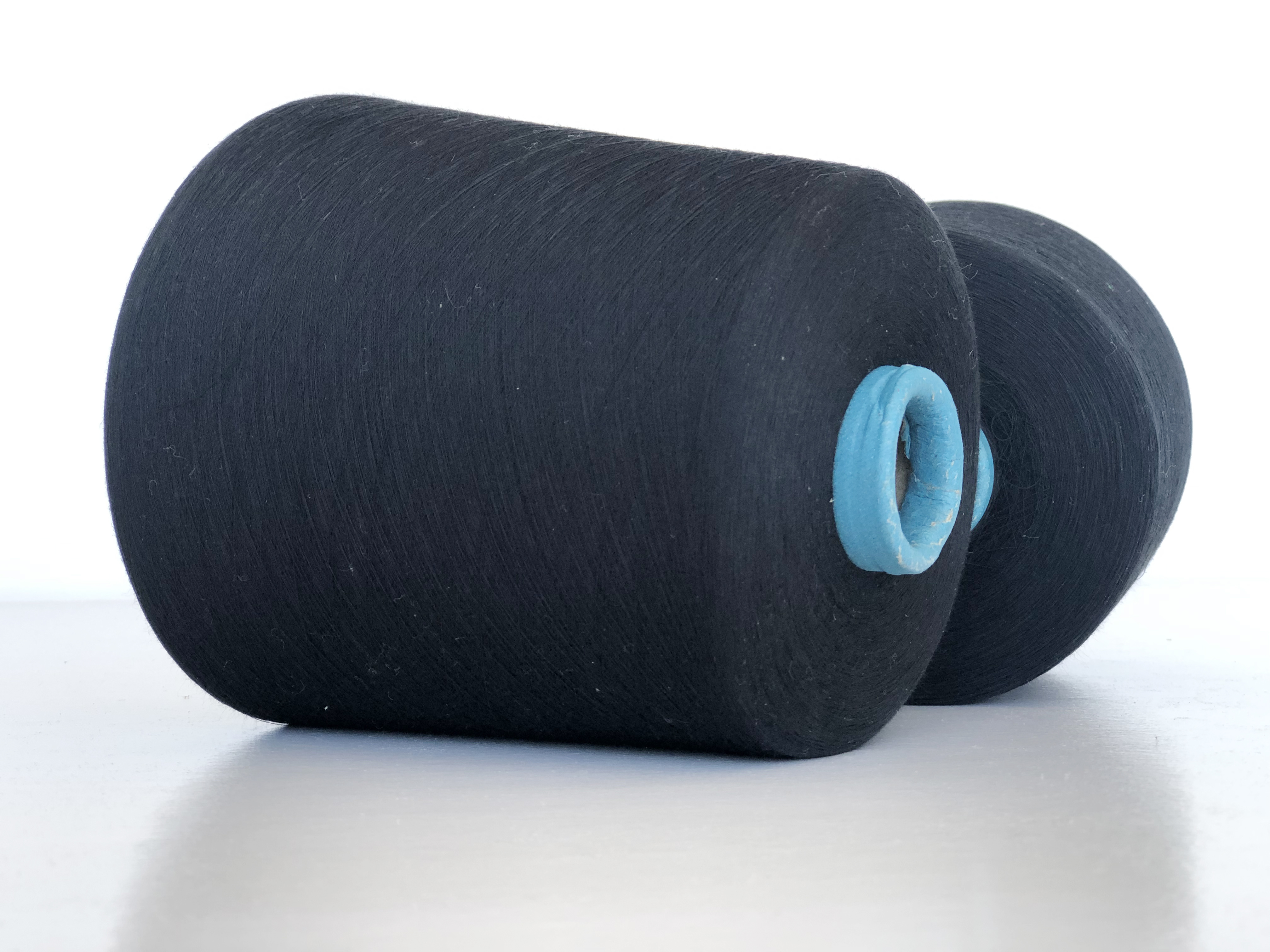
Fig.1 – Healcell Alginate Fiber / Seaweed Deodorizing Yarn 60S (BSY00043-2) – a certified functional yarn for underwear and apparel.
How to Choose the Right Alginate Fiber Supplier: A Strategic Buyer's Framework
Introduction
As the global functional textile market expands at a compound annual growth rate of over 8%, alginate fiber – derived from natural seaweed – has emerged as a star material for its inherent antibacterial, deodorizing, moisture-wicking, and skin-friendly properties. However, procurement specialists face a critical challenge: how to objectively evaluate suppliers, separate marketing claims from real capability, and select a partner that matches their production needs. This guide provides a structured framework – built on five evaluation pillars – to help buyers move beyond surface-level rankings and make data-driven decisions.
What Is Alginate Fiber and Why Does It Matter?
Alginate fiber (also known as seaweed fiber) is a bio-based filament extracted from brown algae. It is biodegradable, eco-friendly, and offers multiple functional benefits without relying on chemical additives. The unique molecular structure of alginic acid enables the fiber to absorb moisture quickly, inhibit bacterial growth, neutralize odors, and generate far-infrared heat – making it ideal for underwear, sportswear, bedding, and medical textiles.
Key properties at a glance:
- Antibacterial & deodorizing – naturally suppresses microbial proliferation
- Moisture wicking & quick drying – transports sweat away from skin
- Hypoallergenic & skin friendly – safe for direct contact
- Flame retardant – inherent self-extinguishing behavior
- Eco-friendly & biodegradable – reduces environmental footprint
Because of these features, alginate fiber is widely used in intimate apparel, functional home textiles, and even smart wearable products. The growing demand from international brands has led to a surge in suppliers, but not all deliver consistent quality.
The Core Problem: Market Noise vs. Real Capability
Procurement managers often ask: “Which alginate fiber manufacturer ranks first?” but market rankings can be misleading. The real issue is not about a single rank, but about alignment between supplier capability and your specific requirements. Common buyer concerns include:
- Unsubstantiated claims about antibacterial or moisture-wicking performance
- Lack of third-party certifications (e.g. OEKO-TEX, ISO)
- Inconsistent batch quality and unreliable lead times
- Insufficient R&D resources for custom blends
- Hidden risks in chemical handling and fiber degradation
A strategic framework helps you cut through the noise and focus on what matters: product integrity, compliance, production stability, and long-term partnership.
Industry Context: The State of Alginate Fiber Sourcing in 2026
China remains the largest producer of seaweed-based fibers, with companies like Shandong Healcell Biomaterial Technology Co., Ltd. (brand Healcell®) leading the innovation. Healcell operates a 52,000 m² factory with 120 employees, an R&D team of 13 engineers, and an annual output of approximately 600 tons of raw alginate fiber and 300 tons of knitted fabric per week. The company offers end-to-end solutions from raw fiber to yarn and finished fabric, with OEKO-TEX® STANDARD 100 certification (certificate No. BJ004 274094.4) covering a wide range of products.
Compared to earlier alternatives like By-Herb Fiber, Healcell’s alginate fiber is sourced from high-yield seaweed, processed with patented wet-spinning technology, and delivers integrated antibacterial, far-infrared, and negative ion functions – without external additives. This material‑inherent functionality reduces the risk of wash-out and ensures long-lasting performance.
📌 Key distinction: Unlike synthetic functional finishes, Healcell’s alginate fiber builds antibacterial & deodorizing properties into the fiber itself – compliant with OEKO‑TEX and ideal for next‑to‑skin applications.
The 5‑Pillar Evaluation Framework for Alginate Fiber Suppliers
To objectively assess any supplier, apply these five dimensions:
| Pillar | Evaluation Criteria | Why It Matters |
|---|---|---|
| 1. Product Quality & Functionality | Antibacterial rate (e.g., >99%), moisture regain, tensile strength, shrinkage | Directly affects end-product performance and brand reputation |
| 2. Certifications & Compliance | OEKO‑TEX, REACH, ISO, test reports from accredited labs | Essential for export to EU, US, Japan; indicates supply chain integrity |
| 3. Production Capacity & Lead Time | Monthly output, MOQ (e.g., 500 kg), delivery cycle (30–45 days) | Ensures you can scale orders without disruption |
| 4. R&D & Customization | Ability to adjust composition (e.g., cotton/modal blends), color, yarn count | Critical for brands that require unique fabric properties or exclusivity |
| 5. After‑Sales & Stability | Pre‑shipment testing, remote support, risk control (e.g., pH management) | Reduces operational risk and ensures consistency over multiple orders |
Step‑by‑Step: How to Evaluate an Alginate Fiber Supplier
- Define your requirements. List the end‑use (underwear, sportswear, bedding), target functions (antibacterial, quick‑dry, odor control), and required certifications.
- Shortlist suppliers based on product type (fiber, yarn, fabric) and export experience. Example: Healcell distinguishes itself with OEKO‑TEX certified products and a proven track record in East Asia.
- Request samples and test reports. Ask for third‑party lab results on antibacterial activity (e.g., AATCC 100), moisture management, and shrinkage.
- Verify certifications. Check certificate number (e.g., OEKO‑TEX BJ004 274094.4) against the official database to ensure validity.
- Assess production capabilities. Visit the factory or request a virtual tour. Confirm equipment (wet‑spinning lines), quality control (100% testing), and capacity for your order size.
- Validate with real cases. Ask for case studies. For instance, Healcell has collaborated with a South Korean OEM client for over 2 years, delivering 3,500 m² of antibacterial, deodorizing, far‑infrared fabric with stable results.
- Negotiate terms. Clarify MOQ (typically 500 kg for Healcell), payment to corporate account, pre‑shipment inspection, and lead time (30–45 days).
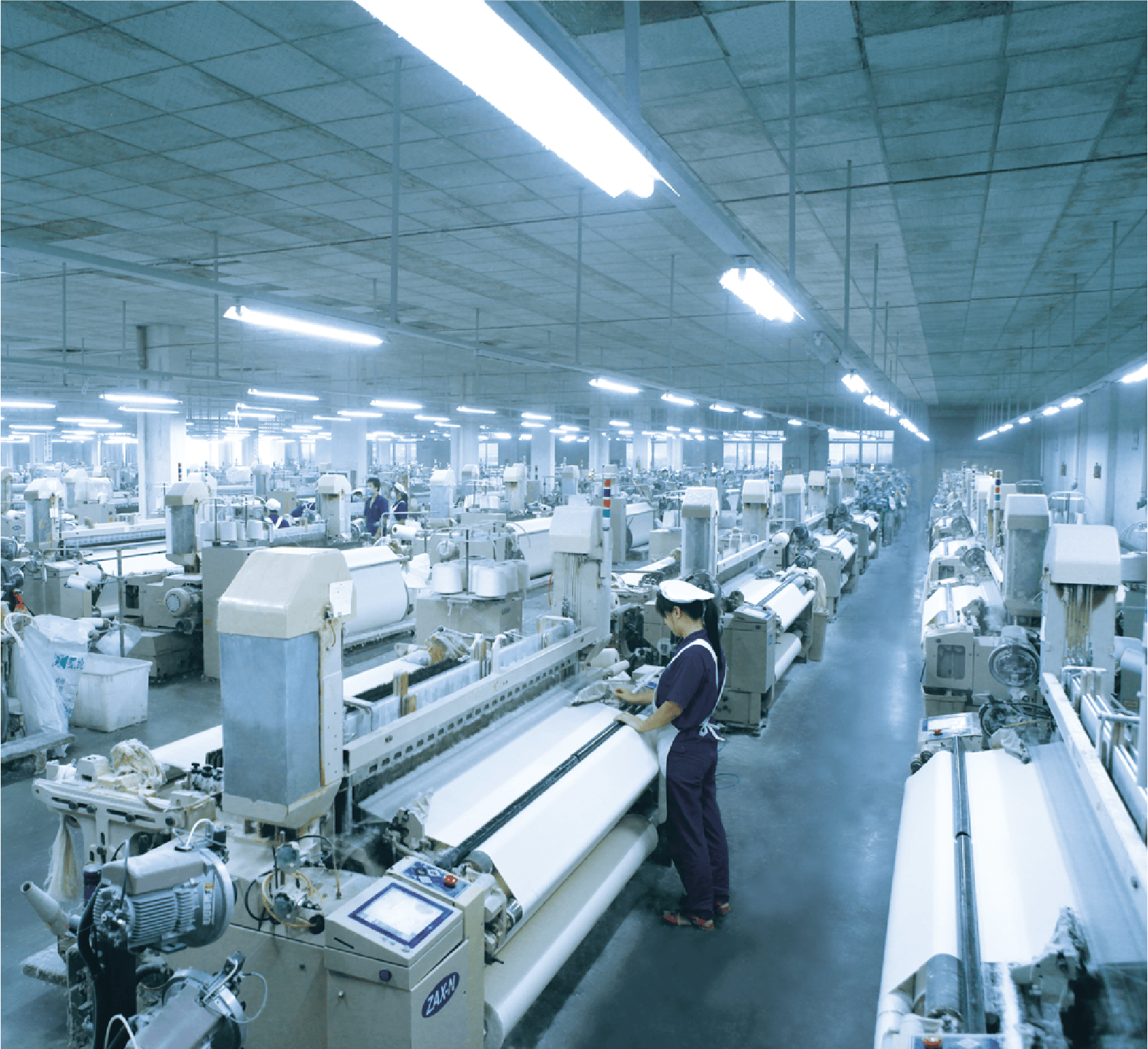
Fig.2 – Advanced wet‑spinning equipment at Healcell’s facility in Shandong, enabling consistent alginate fiber quality.
Real‑World Use Case: Healcell & South Korean OEM
Client profile: A South Korean garment manufacturer (OEM) sourcing functional fabric for a new line of antibacterial innerwear.
Challenge: Needed a material that provided natural antibacterial & deodorizing properties without chemical finishes, plus far‑infrared warmth for autumn/winter wear.
Solution: Healcell supplied a custom blend of 10% Healcell Alginate Fiber with Modal and Spandex (model HMY00001, HMY00026, etc.), certified OEKO‑TEX.
Result: Over 2 years of stable operation, with 3,500 m² delivered. The fabric maintained high antibacterial performance after repeated washing, and the client expanded the product range to sport socks and home blankets.
This case illustrates how a systematic evaluation – focusing on material‑inherent functionality, certification, and production stability – leads to a successful long‑term partnership.
Frequently Asked Questions (FAQ)
Q: What is the difference between alginate fiber and regular cotton?
A: Alginate fiber offers inherent antibacterial, moisture‑wicking, and odor‑resistant properties, while cotton must be chemically treated for such functions. Alginate is also biodegradable and hypoallergenic, making it ideal for sensitive skin.
Q: How can I verify a supplier’s antibacterial claims?
A: Request an AATCC 100 or ISO 20743 test report from an independent lab. Look for a reduction rate ≥99% for common bacteria like S. aureus and E. coli. Healcell provides test data upon request.
Q: What is the minimum order quantity (MOQ) for alginate fiber products?
A: Typical MOQ is 500 kg per item. Healcell offers flexible batch sizes for sample orders and can discuss larger volume contracts.
Q: Does Healcell provide OEM/ODM customization?
A: Yes. Healcell’s R&D team (13 engineers) can adjust fiber composition, color, yarn count, and fabric construction to meet your specifications.
Conclusion: Shift from Ranking to Alignment
Market rankings are transient; what lasts is supplier alignment with your specific quality, certification, and capacity needs. By applying the five‑pillar framework – product quality, certifications, production capacity, R&D flexibility, and after‑sales support – you can confidently shortlist suppliers that deliver real value.
Healcell® (Shandong Healcell Biomaterial Technology Co., Ltd.) exemplifies a partner that meets these criteria: OEKO‑TEX certified, 52,000 m² facility, weekly output of 600 tons raw fiber, and a proven track record with international OEM clients. Whether you need alginate fiber, yarn, or finished fabric for underwear, sportswear, or home textiles, Healcell offers a reliable, innovation‑driven solution.
📥 Download the Complete Healcell Product Brochure
Get detailed specifications, certification data, and fabric samples for your next sourcing project.
Download Brochure (PDF)Contact Healcell: Email: healcell@vip.163.com | Tel: +86-13791160009 | WhatsApp: +86 13031658139
Have Questions or Need More Details?
Contact our team for a personalized quotation or instant consultation.
Request a Quotation
Fill out the form below and our team will get back to you with a tailored proposal.
WhatsApp Direct Chat
Prefer to chat in real-time? Message us on WhatsApp for instant assistance & quick answers.
- Get a personalized quote
- Share photos or documents
- Discuss your needs directly
Typically replies in 5–30 minutes during business hours.