Alginate Fiber vs. By-Herb Fiber: Cost, Performance, and Sourcing Decision for 2026
Alginate Fiber vs. By-Herb Fiber: Evaluating Marine Textile Options for Your Product Line
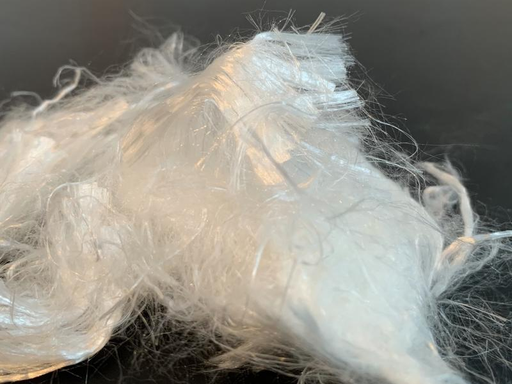
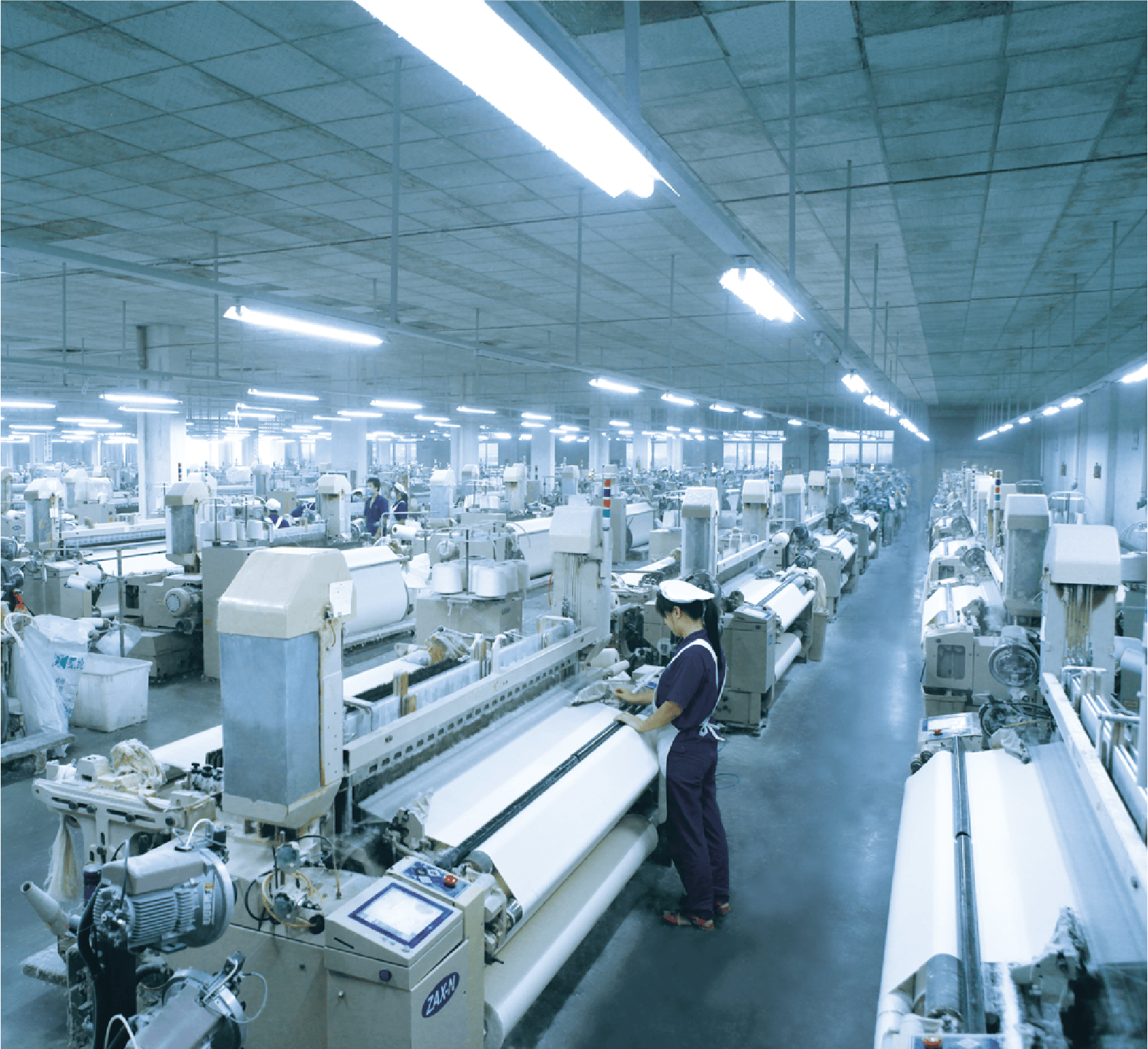
When sourcing functional textiles, procurement managers often compare two marine-derived fibers: alginate fiber and by-herb fiber. Both derive from seaweed, but they differ significantly in properties, cost, and best-fit applications. This guide provides a direct comparison to help you decide which material aligns with your product requirements, sustainability goals, and budget constraints. Healcell® Biomaterial Technology Co., Ltd. is a China-based manufacturer of high-performance alginate fiber, yarn, fabric, and knitted fabrics, with a factory spanning 52,000 m² and 120 employees.
The Challenge: Choosing Between Two Marine Fibers
As the global alginate fiber market grows—valued at approximately USD 412.6 million in 2025 and projected to reach USD 728.4 million by 2034—buyers are evaluating multiple seaweed-based options. By-herb fiber, another marine-derived material, competes in similar application segments. Without clear comparison criteria, procurement teams may overpay for features they do not need or miss functional benefits critical to their end products.
Industry Background: Marine Fibers in Textiles
Alginate fibers are extracted from brown seaweed (Phaeophyceae) and are known for high moisture absorption (10–15× their own weight), intrinsic flame retardancy (LOI 34.4%–45%), and biodegradability (complete degradation in 21–25 days under microbial conditions). By-herb fiber, similarly derived from seaweed, offers a different balance of performance and cost. China leads global alginate production, with manufacturers like Healcell providing integrated supply for raw material, yarn, and finished fabric.
Detailed Side-by-Side Comparison
Healcell Alginate Fiber is a functional textile material with inherent antibacterial, deodorizing, far-infrared, and negative-ion properties. These functions derive from the fiber itself, without chemical additives. It complies with national industrial development policies and promotes the restructuring of the seaweed industry toward a green marine economy.
By-Herb Fiber is also seaweed-based but is positioned as a cost-effective alternative. While it shares some marine origin benefits, its functional profile is narrower.
Key Differences
- Functionality: Alginate fiber offers antibacterial, deodorizing, far-infrared, and negative-ion properties natively. By-herb fiber typically does not provide these four functions simultaneously.
- Raw Material Yield: Seaweed farming yields higher output per unit area compared to terrestrial plants used for by-herb fiber, making alginate production more efficient and eco-friendly.
- Best Application Segments: Alginate fiber is best suited for intimates, underwear, and loungewear; by-herb fiber is often selected for general textile applications where lower cost is prioritized.
- Cost: Alginate fiber is 30–40% higher in cost than by-herb fiber.
- Maintenance: Seaweed is easy to cultivate, which supports consistent supply for alginate fiber manufacturing.
- Efficiency: Alginate fiber production achieves higher efficiency and is more eco-friendly than by-herb fiber processing.
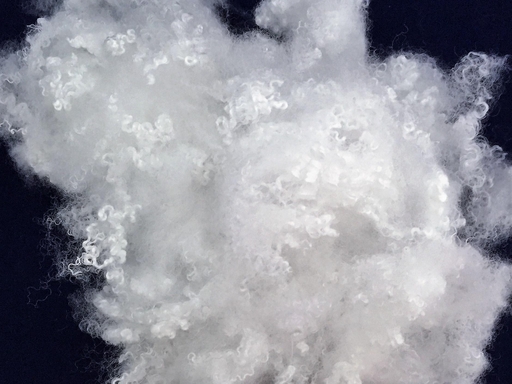
Step-by-Step Decision Framework
- Identify your primary function need: If antibacterial, deodorizing, far-infrared, or negative-ion performance is required, alginate fiber is the natural choice.
- Check budget tolerance: If your product can absorb a 30–40% premium in raw material cost, alginate fiber delivers superior built-in functionality without post-processing.
- Evaluate sustainability targets: Alginate fiber’s higher yield per hectare and biodegradability (21–25 days) support stronger green claims.
- Match application segment: For intimate apparel, underwear, and loungewear, alginate fiber’s skin-friendly, hypoallergenic, and moisture-wicking properties are ideal. For cost-sensitive categories, by-herb fiber may be considered.
- Request samples and certify compliance: Always verify pH-neutral processing and certification (e.g., OEKO-TEX) from your supplier.
Use Cases for Alginate Fiber
Alginate fiber is used in sportswear, underwear, bedding, and flame-retardant clothing. Its high moisture absorption (10–15× weight) makes it suitable for activewear and base layers. Its flame-retardant nature (LOI 34.4%–45%) qualifies it for protective textiles. The fiber’s antibacterial and odor-resistant properties further enhance product durability and user comfort.
Comparison Table: Alginate Fiber vs. By-Herb Fiber
| Attribute | Alginate Fiber (Healcell) | By-Herb Fiber |
|---|---|---|
| Built-in Functions | Antibacterial, deodorizing, far-infrared, negative ion | Limited or none |
| Raw Material Source | Seaweed (high yield per hectare) | Seaweed (terrestrial plant alternative) |
| Best Application | Intimates, underwear, loungewear | General textiles |
| Cost Difference | Baseline (higher) | 30–40% lower |
| Eco-Friendliness | Higher efficiency, more eco-friendly | Moderate |
| Biodegradability | 21–25 days (complete under microbial attack) | Not specified |
Frequently Asked Questions
Are alginate fibers compliant with textile safety standards?
What are the key functional advantages of alginate fiber over by-herb fiber?
How does the cost of alginate fiber compare to by-herb fiber?
Can alginate fiber be used for intimate apparel and sportswear?
How can I obtain samples or a quote for Healcell alginate fiber?
Conclusion
Selecting between alginate fiber and by-herb fiber depends on your product’s functional requirements, budget, and sustainability targets. Healcell alginate fiber stands out with native antibacterial, deodorizing, far-infrared, and negative-ion properties, along with high moisture absorption and flame retardancy. While it carries a 30–40% cost premium, the built-in functionality can simplify your manufacturing process and strengthen your green product story. For procurement decisions, request certified samples and verify pH-neutral processing from your supplier.
Download the Healcell Alginate Fiber Company Profile (PDF) for detailed specifications and certifications.

Have Questions or Need More Details?
Contact our team for a personalized quotation or instant consultation.
Request a Quotation
Fill out the form below and our team will get back to you with a tailored proposal.
WhatsApp Direct Chat
Prefer to chat in real-time? Message us on WhatsApp for instant assistance & quick answers.
- Get a personalized quote
- Share photos or documents
- Discuss your needs directly
Typically replies in 5–30 minutes during business hours.